
tourism and hospitality
Give visitors a clear reason to visit, book or learn more. Specify the destination, operating dates and hours so the route can be planned around the right travel or hospitality audience.
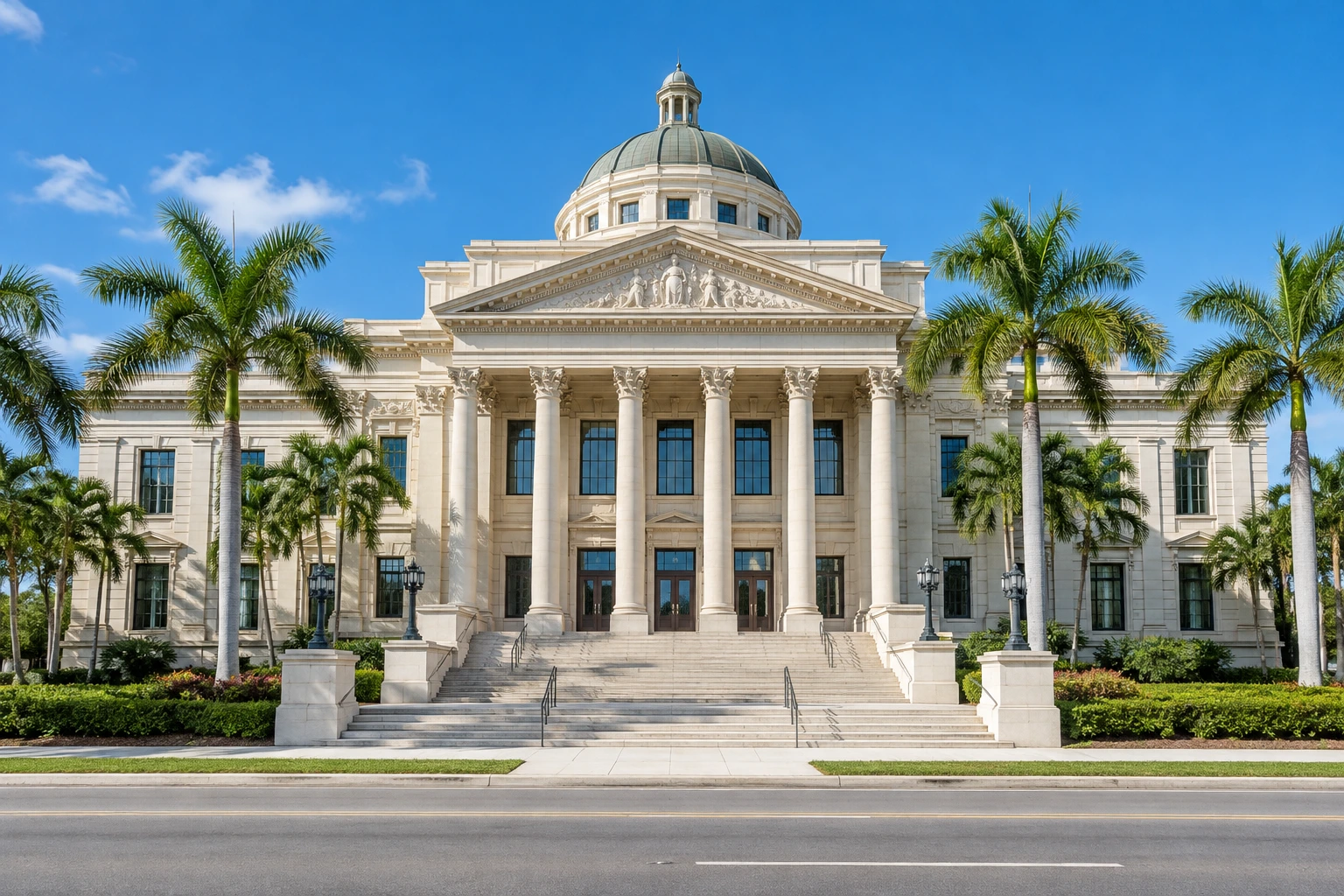
Reach Asheville's visitor, arts, event and independent-business audiences through compact campaign blocks matched to the city's distinct districts. Request a dedicated LED truck campaign with operating dates, creative and route priorities tailored to your Asheville audience.
Group Downtown, South Slope and the Harrah's Cherokee Center area for visitor, meeting and evening audiences. Give the River Arts District or West Asheville a separate block, and review current road conditions, construction, event closures and safe staging before confirming any route.
Routes are customized around campaign goals, traffic conditions, local operating rules, truck availability and approved staging areas. The districts below are useful planning points—not fixed routes or limits.
A focused mobile campaign can follow different audiences by district, event and time of day.
Give visitors a clear reason to visit, book or learn more. Specify the destination, operating dates and hours so the route can be planned around the right travel or hospitality audience.
Put the artist, event or attraction first, with one date or next step. Coordinate the truck schedule with audience arrival and departure rather than trying to cover every entertainment area at once.
Focus on one offer and the place customers should visit. Keep the operating area relevant to that destination, and use a memorable URL or a clear store location in the creative.
Focus on one offer and the place customers should visit. Keep the operating area relevant to that destination, and use a memorable URL or a clear store location in the creative.
Use one digital mobile billboard for a focused activation or coordinate multiple trucks for a regional launch, political campaign, convention, tour, product release or major event. Campaign reporting can include GPS route documentation and operating confirmation.
Your city does not have to be listed to request service. We check the closest available operator and build the campaign around the actual target area.
Need a smaller community or a route between cities? Include it in the quote request. We cover major metros, secondary markets and locations in between, subject to availability.
Choose the customer action first, then give us the Asheville operating area, dates and schedule needed to support it.
Dedicated LED truck campaignsPricing factorsCreative preparationRequest Asheville availability
Fast answers before you request availability.
Routes stay flexible. We review current access, construction, event closures and traffic close to the campaign date, then adjust the operating loop while preserving the intended audience.
Pricing depends on dates, operating hours, number of trucks, route complexity, creative needs and local availability. Request a quote using the actual market and schedule for an accurate recommendation.
Yes. Routes are planned around the audience, events, traffic patterns and legal operating areas. Final routes remain flexible for traffic, closures, safety and local restrictions.
Often, yes. We review the requested venue, dates, event schedule, staging options and local restrictions before confirming the plan.
Yes. Nearby and smaller markets can be requested even when they are not individually listed on the website.
Choose your next planning step.
Find city and state campaign guides.
Explore →Compare exclusive LED truck options.
Explore →Plan around conventions, concerts and game days.
Explore →Explore truck and creative examples.
Explore →Learn about costs, creative and planning.
Explore →Share your dates, cities and campaign goal.
Explore →Share your target areas, dates and campaign goal. We’ll review availability and practical route options.
Tell us your dates, audience, event and preferred areas. We will check the network and recommend the right truck count, route and schedule.
Get a Free QuoteDowntown Asheville includes shops, restaurants, galleries and cultural destinations. The River Arts District is a distinct creative corridor of studios and converted industrial buildings.
Asheville needs separate briefs for downtown shopping and dining, River Arts District studio visits and other customer destinations. The official tourism organization currently welcomes visitors, so avoid carrying old blanket closure descriptions into a new plan. A gallery invitation should identify the actual studio and current hours; a hospitality campaign can prioritize a reservation rather than implying all visitors share one itinerary. Regional mountain travel belongs outside the local display window. Identify the actual advertiser destination and the customer action before requesting operating hours. Use one concise screen message and a matching mobile page; compare local display time with travel separately, and review qualified responses alongside delivery records rather than treating exposure as a sale.
Review current NCDOT information, business opening status, truck dimensions and the actual district approach. Mountain roads, pedestrian areas and studio property require a vehicle-specific plan; scenic routes are not automatic advertising routes.
A participating gallery could propose “Meet the maker in Asheville,” directing interested visitors to verified studio hours and a named artist appointment option rather than inventing a current event. Put the current address, eligibility or offer details and a working next step on the response page. Agree on one useful outcome, such as qualified inquiries, completed bookings or registrations, and keep that outcome separate from GPS delivery documentation.
An Asheville dining business could advertise a clear meal invitation with its actual neighborhood and reservation link. Separate downtown service hours from any requested River Arts District operating block. Put the current address, eligibility or offer details and a working next step on the response page. Agree on one useful outcome, such as qualified inquiries, completed bookings or registrations, and keep that outcome separate from GPS delivery documentation.
A service provider could focus on Asheville customers with a concise “Plan your next project” message and a location-qualified inquiry form, rather than counting general tourist visits as leads. Put the current address, eligibility or offer details and a working next step on the response page. Agree on one useful outcome, such as qualified inquiries, completed bookings or registrations, and keep that outcome separate from GPS delivery documentation.
These are illustrative campaign ideas, not claims of previous bookings in these locations.
Review current NCDOT information, business opening status, truck dimensions and the actual district approach. Mountain roads, pedestrian areas and studio property require a vehicle-specific plan; scenic routes are not automatic advertising routes.
A participating gallery could propose “Meet the maker in Asheville,” directing interested visitors to verified studio hours and a named artist appointment option rather than inventing a current event. Put the current address, eligibility or offer details and a working next step on the response page. Agree on one useful outcome, such as qualified inquiries, completed bookings or registrations, and keep that outcome separate from GPS delivery documentation.
Asheville needs separate briefs for downtown shopping and dining, River Arts District studio visits and other customer destinations. The official tourism organization currently welcomes visitors, so avoid carrying old blanket closure descriptions into a new plan. A gallery invitation should identify the actual studio and current hours; a hospitality campaign can prioritize a reservation rather than implying all visitors share one itinerary. Regional mountain travel belongs outside the local display window. Identify the actual advertiser destination and the customer action before requesting operating hours. Use one concise screen message and a matching mobile page; compare local display time with travel separately, and review qualified responses alongside delivery records rather than treating exposure as a sale.