
automotive and mobility
Define the campaign objective, the destination or response you want, and the hours when the intended audience is relevant. Keep the creative focused on one clear action.
Detroit supports automotive, mobility, conventions, sports, music, entertainment and neighborhood-focused consumer campaigns. Request a dedicated LED truck campaign with operating dates, creative and route priorities tailored to your Detroit audience.
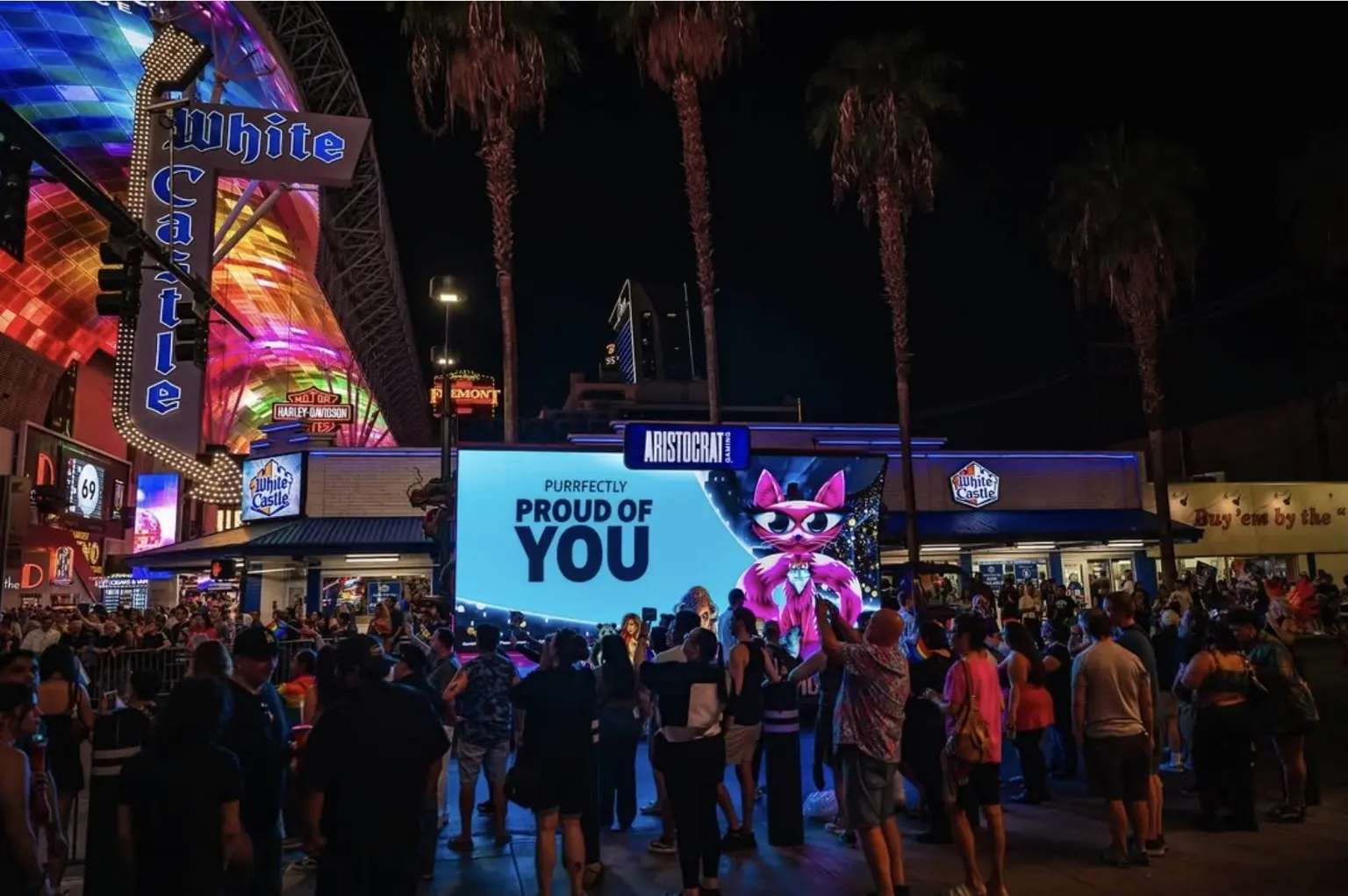
Digital mobile billboard advertising campaign in Detroit, Michigan, featuring an early-voting awareness message displayed on a mobile LED billboard truck.
Concentrate routes around downtown event windows, Midtown institutions, Corktown dining and Eastern Market activity instead of spreading hours across the full metro.
Routes are customized around campaign goals, traffic conditions, local operating rules, truck availability and approved staging areas. The districts below are useful planning points—not fixed routes or limits.
A focused mobile campaign can follow different audiences by district, event and time of day.
Define the campaign objective, the destination or response you want, and the hours when the intended audience is relevant. Keep the creative focused on one clear action.
Plan around the specific game or event schedule. Use one timely offer, such as a dining destination or brand activation, and separate arrival coverage from post-event activity.
Lead with your booth, meeting location or product demonstration. Match operating hours to delegate arrival and departure windows, and send interested viewers to a short event landing page.
Put the artist, event or attraction first, with one date or next step. Coordinate the truck schedule with audience arrival and departure rather than trying to cover every entertainment area at once.
Use one digital mobile billboard for a focused activation or coordinate multiple trucks for a regional launch, political campaign, convention, tour, product release or major event. Campaign reporting can include GPS route documentation and operating confirmation.
Your city does not have to be listed to request service. We check the closest available operator and build the campaign around the actual target area.
Need a smaller community or a route between cities? Include it in the quote request. We cover major metros, secondary markets and locations in between, subject to availability.
Choose the customer action first, then give us the Detroit operating area, dates and schedule needed to support it.
Fast answers before you request availability.
Pricing depends on dates, operating hours, number of trucks, route complexity, creative needs and local availability. Request a quote using the actual market and schedule for an accurate recommendation.
Yes. Routes are planned around the audience, events, traffic patterns and legal operating areas. Final routes remain flexible for traffic, closures, safety and local restrictions.
Often, yes. We review the requested venue, dates, event schedule, staging options and local restrictions before confirming the plan.
Yes. Nearby and smaller markets can be requested even when they are not individually listed on the website.
Yes. Share every requested city or district and its operating window. We can compare coordinated trucks with sequential deployments, including travel time and subject to availability.
Choose your next planning step.
Find city and state campaign guides.
Explore →Compare exclusive LED truck options.
Explore →Plan around conventions, concerts and game days.
Explore →Explore truck and creative examples.
Explore →Learn about costs, creative and planning.
Explore →Share your dates, cities and campaign goal.
Explore →Share your target areas, dates and campaign goal. We’ll review availability and practical route options.
Tell us your dates, audience, event and preferred areas. We will check the network and recommend the right truck count, route and schedule.
Get a Free QuoteVisit Detroit distinguishes downtown, Midtown, Corktown and Eastern Market as separate visitor areas. Midtown contains museums, performance venues and university-related cultural activity.
A Detroit campaign should select a neighborhood and customer decision before expanding the route. An Eastern Market merchant may want a specific shopping invitation, while a Midtown cultural advertiser needs another operating window and response page. A professional-service campaign should use a business audience brief rather than simply chasing recognizable landmarks. Keep a downtown deployment separate from suburban extensions and allow for travel between selected neighborhoods. Use one clear headline per creative and location-specific tags so inquiries can be reviewed alongside the documented campaign schedule.
Confirm current event traffic, construction, loading activity and any transit interaction on the actual streets. Market sheds, campuses, sports facilities and reserved event frontage are not included automatically.
A merchant could feature one item and its own Detroit storefront or ordering destination.
An organization could advertise a confirmed performance or exhibition program with a ticket or registration page.
A firm could promote one problem-focused service and invite qualified consultations without implying event sponsorship.
These are illustrative campaign ideas, not claims of previous bookings in these locations.
Visit Detroit — downtown and neighborhoods ↗
Share your dates, audience and operating scope.
Explore →Compare the full state directory.
Explore →Continue with neighboring market planning.
Explore →Continue with neighboring market planning.
Explore →Continue with neighboring market planning.
Explore →Confirm current event traffic, construction, loading activity and any transit interaction on the actual streets. Market sheds, campuses, sports facilities and reserved event frontage are not included automatically.
A merchant could feature one item and its own Detroit storefront or ordering destination.
A Detroit campaign should select a neighborhood and customer decision before expanding the route. An Eastern Market merchant may want a specific shopping invitation, while a Midtown cultural advertiser needs another operating window and response page. A professional-service campaign should use a business audience brief rather than simply chasing recognizable landmarks. Keep a downtown deployment separate from suburban extensions and allow for travel between selected neighborhoods. Use one clear headline per creative and location-specific tags so inquiries can be reviewed alongside the documented campaign schedule.